
What Not To Throw Away Before an Estate Sale
When families begin clearing out an inherited home, it can be difficult to know what should be kept, donated, sold, or discarded. During emotional and overwhelming situations, many valuable or highly desirable items are accidentally thrown away, donated, or sold far below their actual market value simply because families are trying to move quickly and reduce stress.
At River City Estate Liquidators, we help Sacramento-area families understand what may have value before major cleanout decisions are made. In many cases, items that seem ordinary at first glance can contribute significantly to the overall success of an estate sale — helping attract buyers, increase overall proceeds, and reduce final cleanout costs for the estate.
Why Families Accidentally Throw Away Valuable Items
Handling an inherited home is emotionally exhausting. Many families are balancing grief, timelines, cleaning, legal matters, home preparation, and pressure to “get everything cleared out” as quickly as possible.
In these situations, it is completely understandable for people to begin filling dumpsters, scheduling donation pickups, or trying to simplify the process quickly. Unfortunately, this often leads to items being accidentally discarded before anyone has had the opportunity to properly evaluate them.
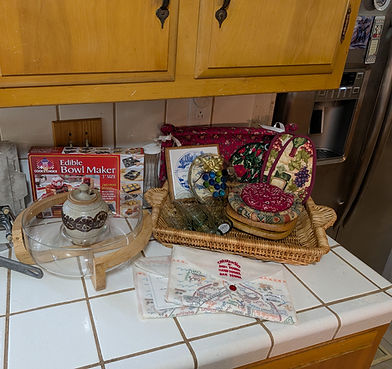
One of the biggest misconceptions about estate sales is that only high-end antiques or expensive collectibles matter. In reality, estate sales are often successful because of the overall household as a whole — the variety of items, the fullness of the home, and the types of pieces that attract different buyers throughout the sale.
Many everyday items can contribute to a successful estate sale, including:
-
Vintage decor
-
Costume jewelry
-
Tools and garage contents
-
Clothing
-
Quilts and fabrics
-
Artwork and framed prints
-
Records and stereo equipment
-
Old cameras
-
Holiday decor
-
Kitchenware & colored glass
-
Vintage toys
-
Postcards, paper ephemera, and photographs
-
Sewing and craft supplies
-
Military items and memorabilia
Some items may hold significant value individually, while others simply help create a stronger overall estate sale by attracting more buyers and increasing interest throughout the home.
Today’s estate sale buyers are also changing. Many younger generations are increasingly drawn to vintage decor, secondhand furnishings, repurposed items, eclectic collections, and older household goods that are often no longer made with the same level of quality.
Because trends and buyer demand constantly shift, many families are surprised by what buyers are actively looking for in today’s market.

What Families Should Remove Before an Estate Sale
One of the most common questions we receive is:
“What should we remove before the estate sale?”
In most situations, we encourage families to focus first on removing:
-
Sentimental items
-
Family keepsakes
-
Personal photographs
-
Important documents
-
Personal items they know they want to keep
-
Medication
-
Obvious trash or hazardous materials
Beyond that, we generally recommend slowing down before making major decisions about donations, dumpsters, or large-scale cleanouts.
Many families are relieved to learn they do not need to know what has value before contacting us. Part of our job is helping evaluate the household as a whole and determining what may contribute to a successful estate sale.
At RCEL, we also understand that emotional situations can make it difficult to sort through everything carefully. During the setup process, our team regularly sets aside personal paperwork, photographs, documents, and sentimental items we may come across while organizing the home so they can be returned to the family.
Our goal is never to pressure families into keeping everything in place. Instead, we try to help families avoid accidentally removing items that may have value or contribute to the overall success of the sale.
Why Quick Offers Can Be Risky
During stressful transitions, families are often approached by resellers or buyers offering quick cash for collections, jewelry, coins, tools, antiques, or even entire estates.
While some buyers are fair and professional, others may hope to purchase valuable items for far below realistic market value — especially when they recognize that a family is overwhelmed or unfamiliar with current resale demand.
We frequently see situations where:
-
Gold jewelry is mistaken for costume jewelry
-
Sterling silver is overlooked or undervalued
-
Vintage collections are sold for only a few dollars
-
Buyers aggressively negotiate items they already know are valuable
-
Families are pressured into quick decisions before understanding what they have
Experienced resellers often know exactly what buyers are searching for and may use common negotiation tactics to reduce prices further, even when they recognize an item has strong resale potential.
At River City Estate Liquidators, we approach estate sales very differently. Rather than focusing on quick individual purchases, we look at the estate sale as a whole — evaluating what will help maximize the overall outcome for the family while creating a successful, well-organized sale.
Having experienced guidance before selling items individually can help families better understand what they have and avoid accidentally undervaluing important pieces.


Why Estate Sales Often Recover More Value
Many families assume that clearing out a home quickly is the most efficient option. However, in many situations, a professionally organized estate sale can help recover significantly more value from the contents of the home before donations or final cleanout begin.
Estate sales are not only about finding a few expensive items. Successful sales are often built from the combination of:
-
Useful everyday household items
-
Collectibles and vintage decor
-
Garage and workshop contents
-
Artwork and decorative pieces
-
Clothing, fabrics, and linens
-
Kitchenware and household goods
-
Yard art and pottery
-
Musical instruments
-
Jewelry, coins, and specialty items
The fuller and more thoughtfully organized a home feels, the more interest it often generates overall.
At RCEL, we focus on:
-
Professional staging and presentation
-
Pricing based on real-world market demand
-
Advertising appealing items strategically
-
Attracting a wide variety of buyers
-
Helping maximize the overall outcome of the sale
Even items that may not seem individually valuable can still contribute to a stronger estate sale by increasing buyer turnout and encouraging shoppers to spend more time throughout the home.
In many cases, this also helps reduce final cleanout costs by significantly decreasing the amount left behind after the sale.
When In Doubt, Ask Before
Throwing Things Away
Families are often worried about making mistakes while trying to clear out an inherited home. The reality is that most people are not expected to know current resale trends, estate sale demand, or which household items buyers may be actively searching for.
That is completely normal.
If families are unsure whether something should be donated, discarded, included in the estate sale, or kept by family members, we are always happy to offer guidance whenever possible.
In many situations, a quick conversation before items are removed can help families:
-
Avoid accidentally losing value
-
Feel more confident about decisions
-
Reduce stress during the process
-
Create a clearer plan moving forward
At River City Estate Liquidators, our goal is to help families navigate difficult transitions honestly, thoughtfully, and with as little overwhelm as possible.


FAQ SECTION
Frequently Asked Questions About Estate Sale Items
Do estate sales only work for expensive homes or antiques?
No. Many successful estate sales are built from full households containing everyday useful items, vintage decor, tools, collectibles, artwork, kitchenware, fabrics, clothing, and accumulated household contents gathered over many years.
What types of items should families avoid donating too early?
We generally recommend families pause before donating jewelry, coins, tools, vintage decor, artwork, records, cameras, quilts, vintage clothing, holiday decorations, collections, military items, paper ephemera, and specialty household items until they have been evaluated more carefully.
Can clothing and everyday household items help an estate sale?
Absolutely. One of the biggest misconceptions about estate sales is that every item must be rare or highly valuable individually in order for the sale to be successful.
Vintage clothing, which is 20 years old, has become especially popular in recent years, but even modern clothing can contribute significantly when homes contain large amounts of clean, wearable pieces. Well-rounded estate sales with variety tend to attract more buyers and create stronger overall turnout throughout the sale.
Do younger buyers still attend estate sales?
Absolutely. Many younger buyers actively shop estate sales for vintage decor, secondhand furniture, eclectic household items, artwork, clothing, records, and unique pieces that are difficult to find in modern retail stores.
Can estate sales include gold, silver, coins, jewelry, or vehicles?
Yes. Estate sales often include far more than furniture and household items. Depending on the estate, sales may also include gold, silver, coins, jewelry, vehicles, tools, collectibles, artwork, vintage items, and specialty collections.
What if we already donated or removed some items?
That is very common and completely understandable. Even after family members have removed sentimental items or donations have already been made, many homes still contain enough contents to create a successful estate sale.
You Don’t Need To Sort Through Everything Alone
Clearing out an inherited home can feel overwhelming, especially when families are trying to balance emotional decisions, timelines, and decades of accumulated belongings all at once.
At River City Estate Liquidators, we help Sacramento-area families understand what may have value, create a clear plan for the home, and navigate the estate sale process with honesty, care, and experience.
If you are unsure what should stay, what should go, or where to begin, we are always happy to help guide you through the next steps.